-
Records
- Browse...
- LPs 1963–1970
- LPs 1971–1990
- Various Artists LPs
- EPs
- Singles
-
Other Formats
- Studio
- Production Master Tapes
- Discographies
-
Research
- Record Labels
- Label Styles
- LP Label Typesetting
- Royalties, Stamps & Publishing
- Manufacturing & Mastering
- Overview of Local Manufacture
- Pressing Sources
- Bulk Recuts
- Maxicut
- Half-Speed Mastering
- Direct Metal Mastering
- Special Pressings
- Coloured Vinyl
- Contract Pressings
- Official EMI Imports
- Acetates & Test Pressings
- Custom Pressings
- Other Labels & Companies
- Axis Records
- EMI Custom Records
- Rainbow Products
- Raven Records
- Telmak Teleproducts
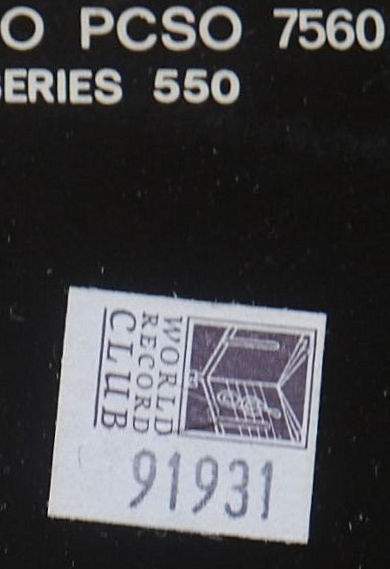
- World Record Club
- Advertising & Promotion
- Selling the Sound
- Promotional Records
-
Collector Guides
- Rarity & Recommendations
- Record Rarity Guide
- Recommended Pressings
- Record Identification
- Understanding Variations
- Understanding Label Order
- Understanding Release Dates
- Glossary of Terms
-
About
- Site Information
- Latest Updates
- Frequently Asked Questions
- Archive Credits
- Contact
- Contact Jaesen
- Facebook Group
- Display Mode
- Toggle Light/Dark View
- Search