What was a promotional record?
Promotional records — commonly known as “promo” records — were supplied by record companies to radio stations, broadcasters, reviewers and other members of the media for promotional or review purposes.
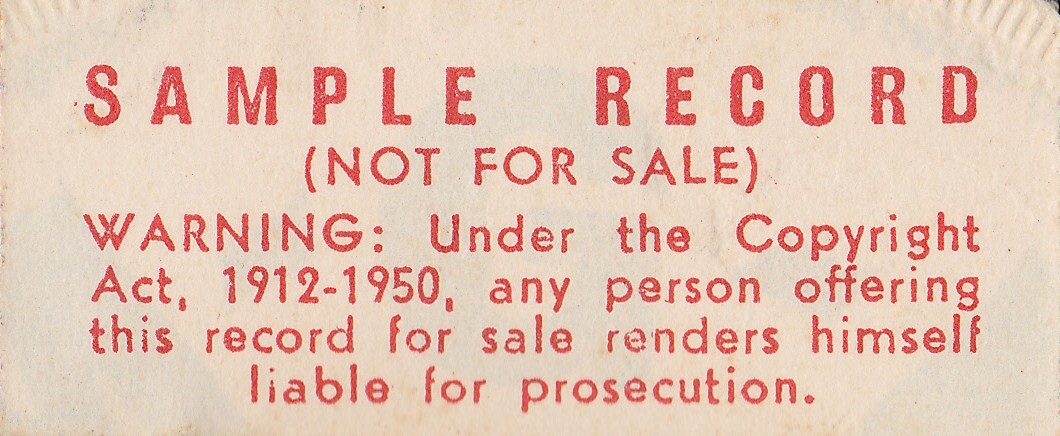
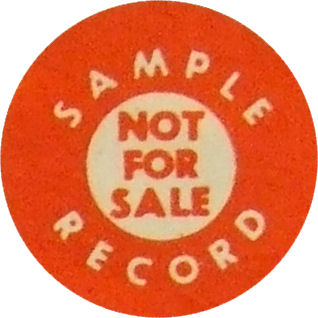
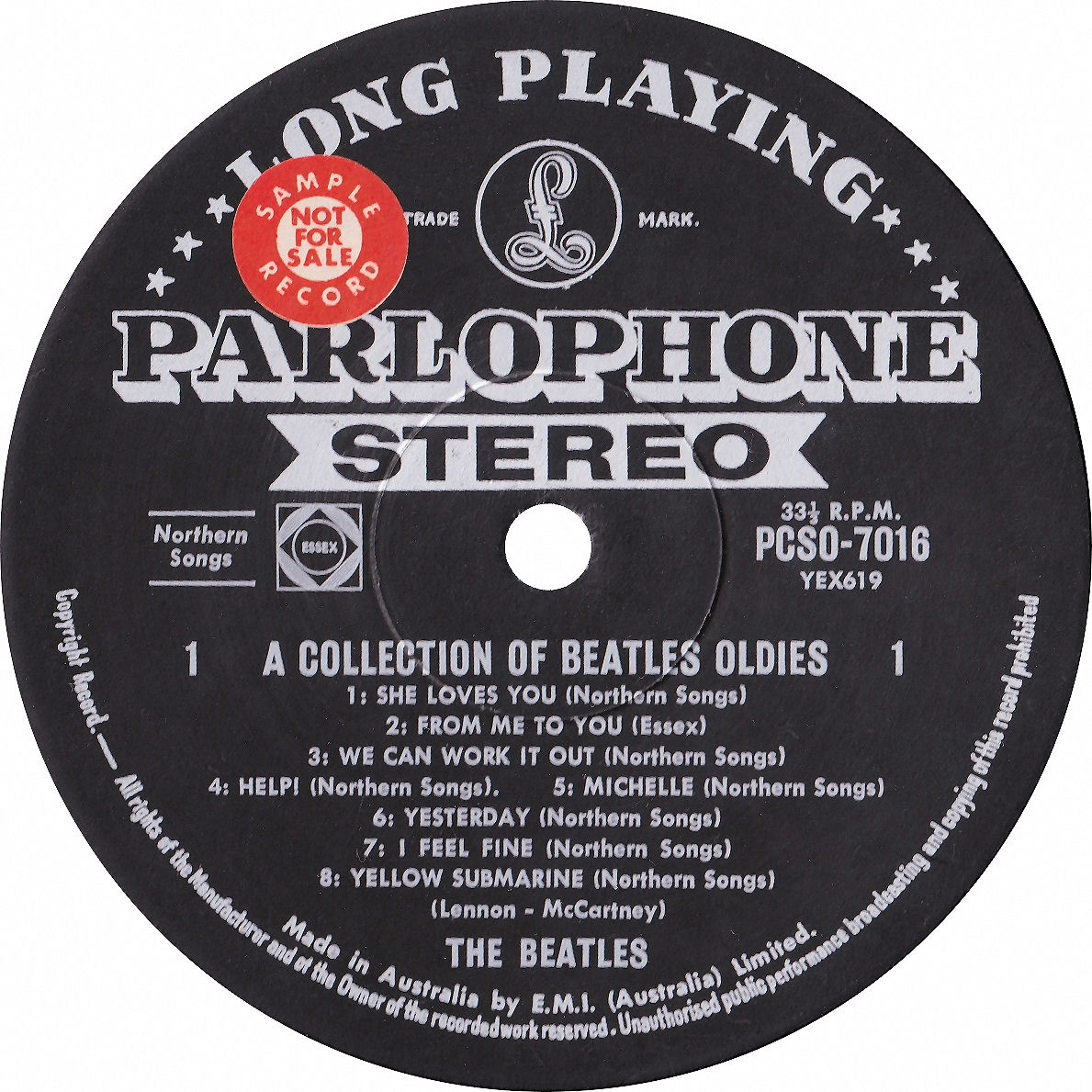
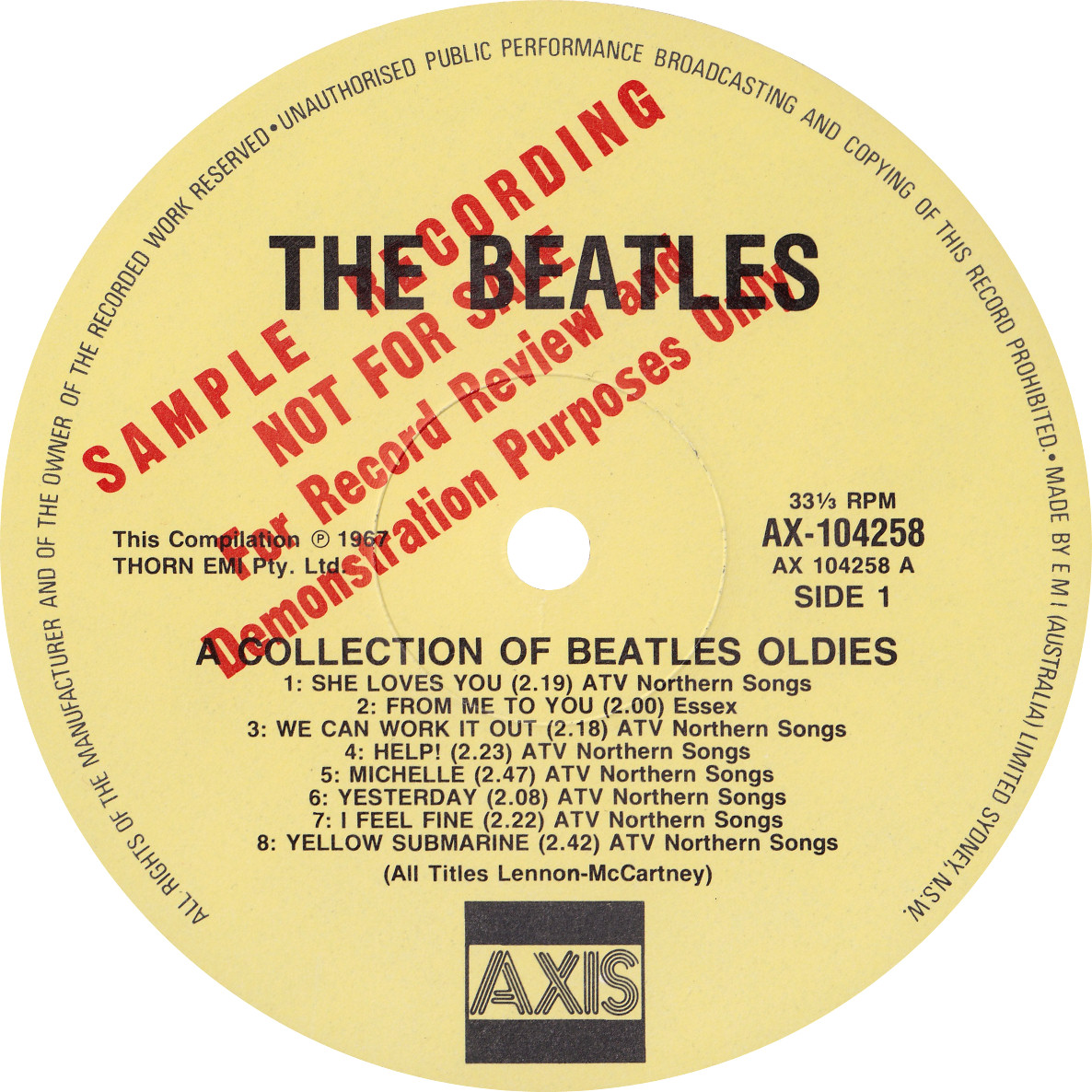
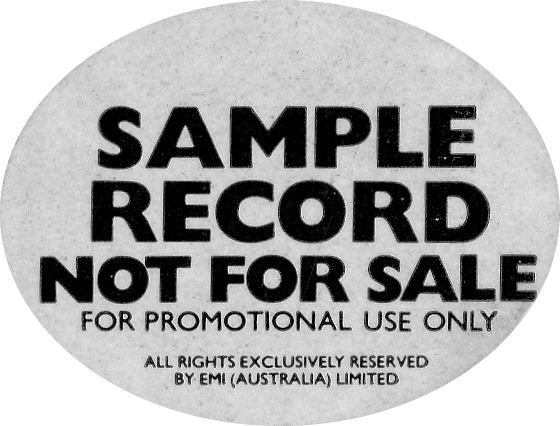
They were generally distributed free of charge and were not intended for retail sale. Dedicated promotional copies were usually identified by a distinctive label, overprint, stamp or sticker applied by the manufacturer. Many carried wording such as “SAMPLE RECORD — NOT FOR SALE” or “FOR PROMOTIONAL USE ONLY”.
Although they were never intended to enter normal retail channels, many inevitably did. Former radio-station copies, reviewer copies and other promotional records subsequently found their way into second-hand record shops and private collections, where distinctive promotional variants have become highly collectable.
During the 1960s and early 1970s, promotional singles appear to have been considerably more common than promotional LPs. Commercial radio was largely singles-driven, and most albums were represented by one or more concurrent singles that could be promoted directly to broadcasters. There was therefore less need to distribute large numbers of full albums.
Australian Beatles promotional records are nevertheless known across all three principal vinyl formats: singles, EPs and LPs.
How promotional records reached Australian radio
At EMI (Australia), new 7-inch releases were routinely sent to radio stations as part of the company’s regular promotional servicing. This ensured that stations received current singles automatically, without needing to request each title individually. For many releases, EMI (Australia) typically pressed around 300 copies for promotional purposes, providing stock for radio servicing, media promotion and related promotional activity.
In practice, EMI’s system combined routine servicing with targeted promotion. Regular distribution placed new releases before station programmers and announcers, while particular records selected for an additional push could receive much more direct attention from EMI (Australia) staff. Receipt of a record did not, however, mean that it automatically became part of the station’s permanent library. Stations assessed incoming material against their format and programming requirements, and records that were not used could subsequently be given away or simply discarded.
The exact form that promotion took depended partly on the size and importance of the market. In the major metropolitan centres, dedicated promotion staff were able to work directly with radio stations. In smaller markets, sales representatives could perform much the same function alongside their normal commercial responsibilities.
The record company representative
The record company representative was the personal link between the label and the broadcaster.
At EMI (Australia), routine servicing ensured that new 7-inch releases reached radio stations, but representatives played a more active role in promoting selected records. In the larger metropolitan markets, dedicated promotion staff maintained relationships with Music Directors, Program Directors and influential announcers, visiting stations to draw attention to priority releases, leave additional copies and organise promotional activity.
A representative might arrive with several copies of one particularly important single, hand them directly to key announcers, leave copies with the Music Director or provide supporting publicity material. In some cases, they also worked with station staff to arrange on-air promotions, competitions, interviews or other activity designed to generate interest in a particular artist or release.
At stations where announcers retained some freedom over their own selections, prominent “personality jocks” could also receive records directly.
In smaller markets, including centres such as Canberra and Newcastle and in regional areas, the role was often less specialised. Sales representatives could effectively wear two hats, combining their normal retail sales responsibilities with radio promotion. Their rounds could therefore include both record shops and local broadcasters, allowing them to promote priority releases while servicing commercial accounts.
The system was therefore both organised and personal: routine distribution ensured that new releases reached broadcasters, while representatives provided the additional push that could help turn a new record into one that received serious airplay.
Inside the radio station library
Not every promotional record supplied to a radio station ultimately entered its permanent record library.
The working library was generally built around records that the station actually played, together with titles that charted or otherwise remained relevant to its programming. Records that attracted little interest, failed to suit the station’s format or were simply never used could be removed from consideration fairly quickly. Some were subsequently used as station giveaways, while many were simply discarded.
Large metropolitan stations could retain considerably more material. Jeffrey Black recalls major stations such as 4BC in Brisbane and 2UW in Sydney maintaining subsidiary collections containing records that had received some airplay or achieved only relatively low chart positions, rather than keeping everything within the main working library.
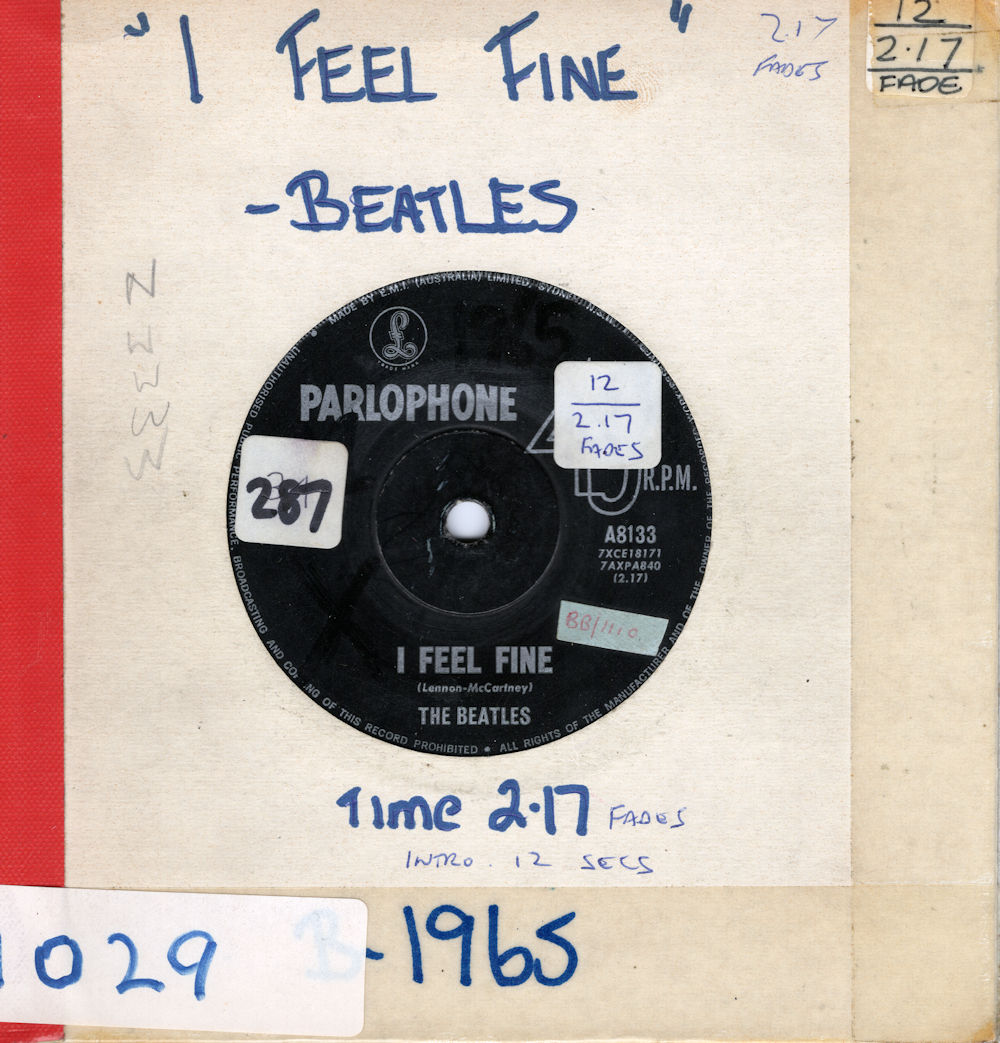
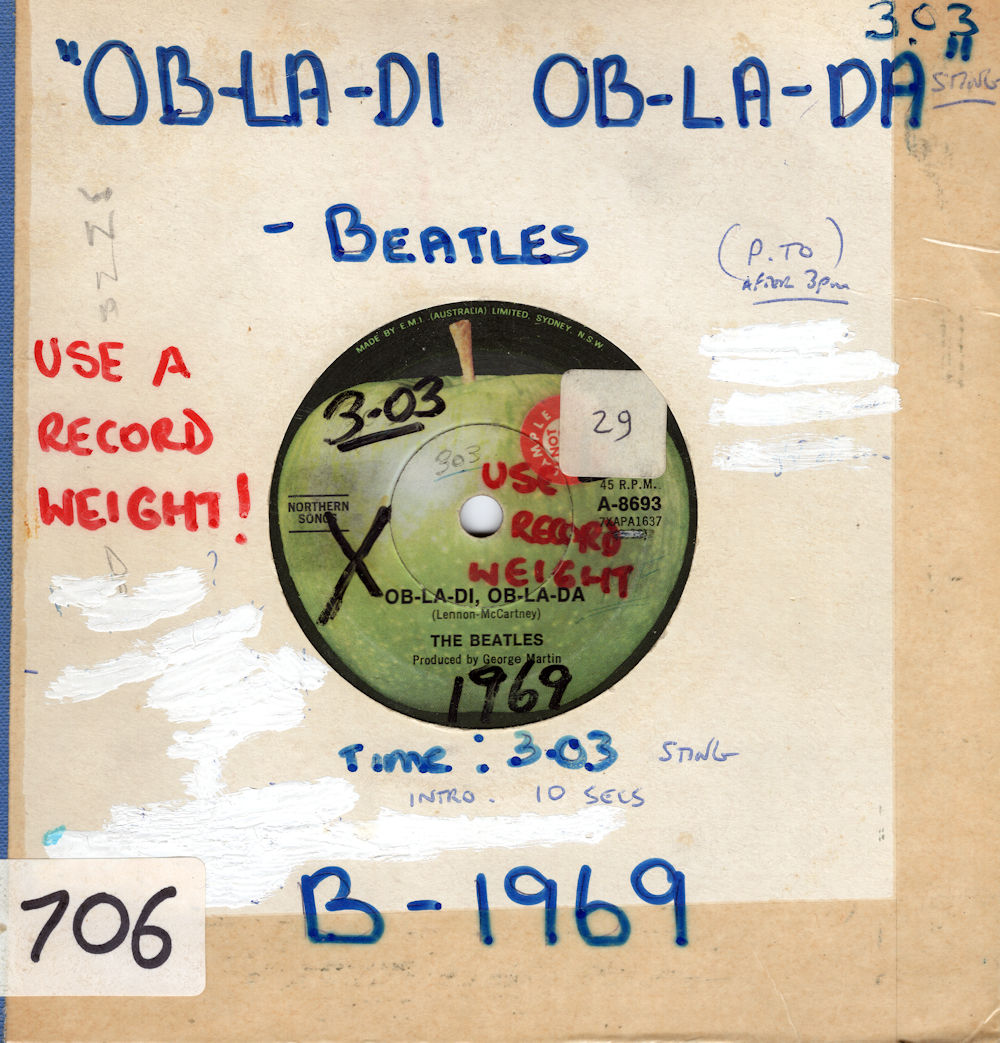
Once a record was accepted for use, it could be catalogued using the station’s own numbering system and annotated with information needed by announcers.
This might include the precise running time, whether the recording began immediately or with an instrumental introduction, the nature of the ending — whether it stopped cleanly or faded — and sometimes a description of the musical style or mood.
Australian recordings could also carry station annotations identifying their local content. The codes CPA and CPO were used on Australian tracks, although terminology and practices could vary between stations and over time. Surviving station sleeves and library copies sometimes retain these handwritten or stamped markings, providing another glimpse of how records were classified internally.
The important distinction is that record-company servicing and station-library retention were two different processes. A station might receive a record without ever playing it, and in some cases dispose of it without it ever entering regular rotation. Some stations also maintained supplementary libraries in which records carried clear instructions from the Music or Program Director that they were not to be played.
As a result, a large proportion of the promotional material — including records — originally distributed to Australian radio has consequently disappeared. This loss was particularly significant during successive technological transitions, first from vinyl to CD and later from physical media to streaming, networked radio systems and local digital music servers.